
Inspect
Check garages, sheds, woodpiles, and meter boxes for webs and spiders.
Pest Education • DFW Pest Control
Black widows hide in dark, sheltered spots around homes and yards. Learn to identify them, where they live, and how to reduce them safely.
Reviewed and updated June 2026
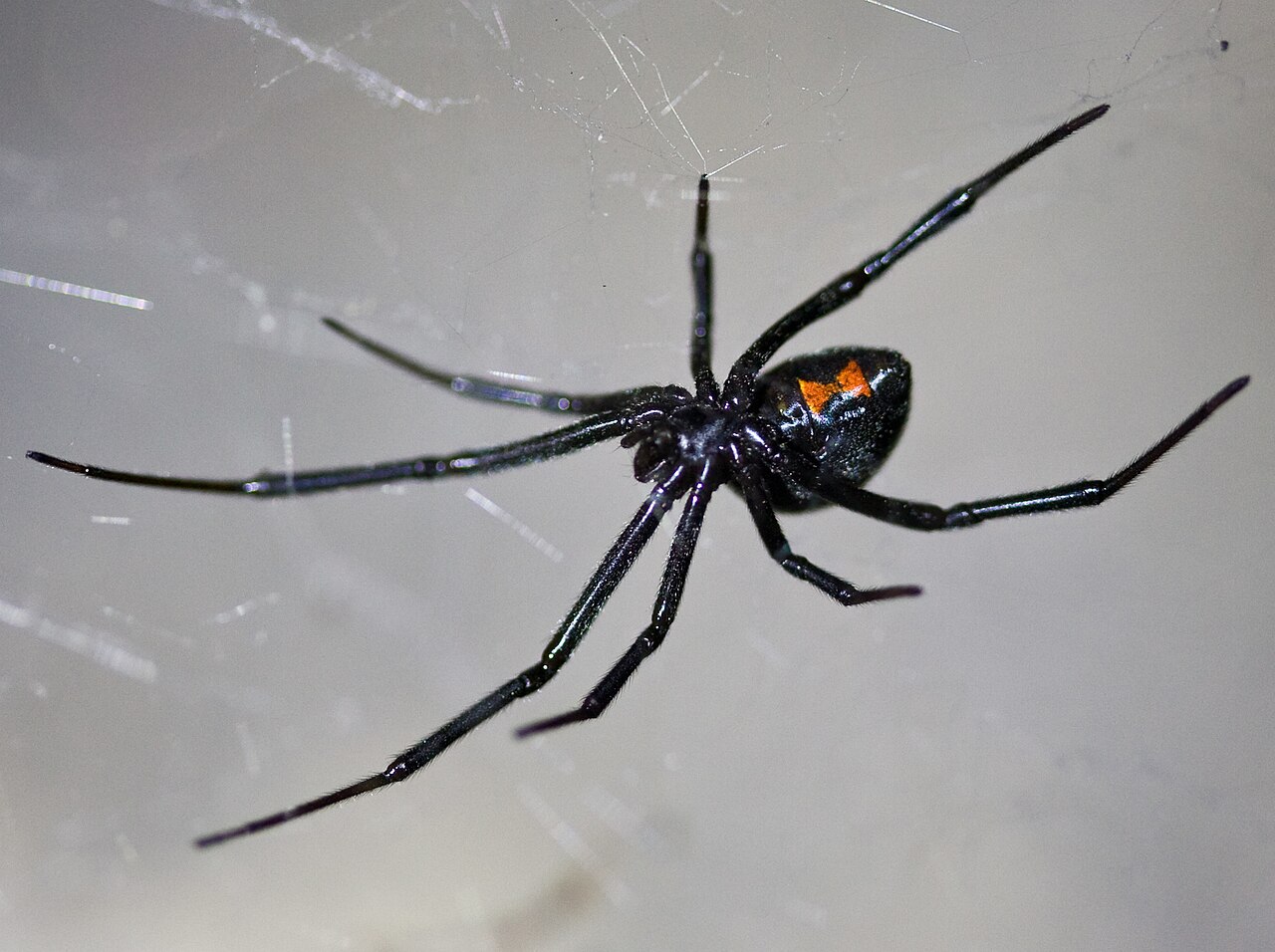
Black widows are venomous spiders that build tangled webs in dark, undisturbed spaces. Reducing clutter and harborage is the foundation of control.
The black widow is a venomous spider found throughout Texas. Mature females are glossy black with a distinctive red hourglass marking on the underside of the abdomen; males are smaller and not considered dangerous.
They build irregular, tangled webs in dark, sheltered, low spots and are not aggressive, usually biting only when trapped against skin.
Black widows favor quiet, protected places that are rarely disturbed, which is where accidental contact happens.
Control focuses on removing harborage and webs and reducing the insects spiders feed on, paired with careful treatment of sheltered areas.
Check garages, sheds, woodpiles, and meter boxes for webs and spiders.
Declutter, remove webs, and seal sheltered entry points.
Explore services →Target sheltered areas and reduce prey insects to keep numbers down.
Request an estimate →Treatments are selected and applied per their labels. Tell us about children, pets, edible gardens, beehives, and other sensitive areas before service, and follow all preparation and re-entry instructions. More on pet- and pollinator-conscious treatment →
Black widow venom can cause significant pain, muscle cramping, and other symptoms. Bites are rarely fatal with modern care, but you should seek medical attention promptly, especially for children, older adults, or anyone with severe symptoms.
In dark, undisturbed places: garages, sheds, crawl spaces, woodpiles, debris, and inside water-meter and utility boxes.
Reduce clutter and harborage, wear gloves around woodpiles and storage, seal gaps, knock down webs, and reduce the prey insects they feed on.
Guidance changes over time. Follow current product labels and local recommendations. This page is educational and is not medical advice.
Call or email for a free estimate. We’ll recommend an approach that fits your property.