Inspect the Property
Find breeding water, shaded resting habitat, drainage problems, and the places mosquito activity affects you most.
Pest Education • DFW Mosquito Control
Aedes aegypti is a container-breeding mosquito that lives closely around people and often bites during the day. Small water sources can support a surprising amount of activity.
Reviewed and updated June 2026
Learn how Aedes aegypti mosquitoes breed, bite, and spread disease, plus practical container-mosquito control for DFW homes.
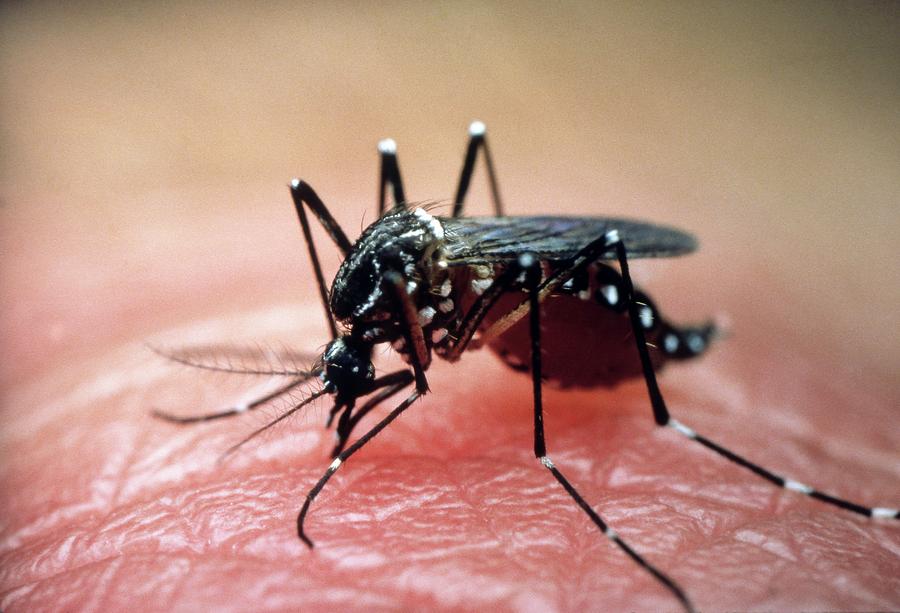
Aedes aegypti is a dark mosquito with white markings on the legs and a pale lyre-shaped pattern on the thorax. It is strongly associated with people and urban or suburban containers.
Females place eggs on damp surfaces just above the waterline. The eggs can withstand drying and hatch later when water returns, which is why simply pouring out a container once may not be enough—scrubbing the sides matters.
Common sites include buckets, plant saucers, discarded cups, toys, rain barrels, tires, clogged gutters, and small landscape features. Adults often rest in shaded, protected places near homes.
Aedes aegypti can transmit dengue, Zika, chikungunya, and yellow fever where the pathogen is present. Local risk depends on infected travelers, mosquito populations, and public-health conditions; the mosquito's presence does not mean all of these diseases are circulating locally.
Container management is the foundation. A professional plan may add targeted larval and adult control where appropriate, but neighboring containers can continually reintroduce mosquitoes.
Because Aedes can bite during the day, protection should not be limited to dusk. Use an EPA-registered repellent whenever exposure is likely.
Find breeding water, shaded resting habitat, drainage problems, and the places mosquito activity affects you most.
Species, timing, weather, neighboring pressure, and sensitive areas should shape the plan.
Explore services →Weekly source reduction and personal bite protection support any professional treatment.
Request an estimate →Products should be selected and applied according to their labels. Tell us about pets, beehives, butterfly gardens, edible plants, ponds, play areas, or other sensitive locations so treatment timing and placement can be planned responsibly.
Keep people and pets out of treated areas for the time specified on the label and follow all preparation and re-entry instructions.
Eggs can remain attached above the waterline and survive dry periods. Scrub container walls before refilling or storing them.
It is an aggressive daytime biter, especially around morning and late afternoon, but biting can occur at other times.
Not reliably. Adult control should be paired with finding and managing the containers that produce new mosquitoes.
Public-health guidance changes. Follow current local, state, and federal recommendations. This page is educational and is not medical advice.
Call or email for a free estimate. We’ll recommend an approach that fits your property.