Inspect the Property
Find breeding water, shaded resting habitat, drainage problems, and the places mosquito activity affects you most.
Pest Education • DFW Mosquito Control
Anopheles mosquitoes are best known as the only mosquitoes that transmit human malaria. Here is how they differ from other mosquitoes and what their presence means in North Texas.
Reviewed and updated June 2026
Understand Anopheles mosquito identification, breeding habits, malaria transmission, and practical mosquito prevention for DFW properties.
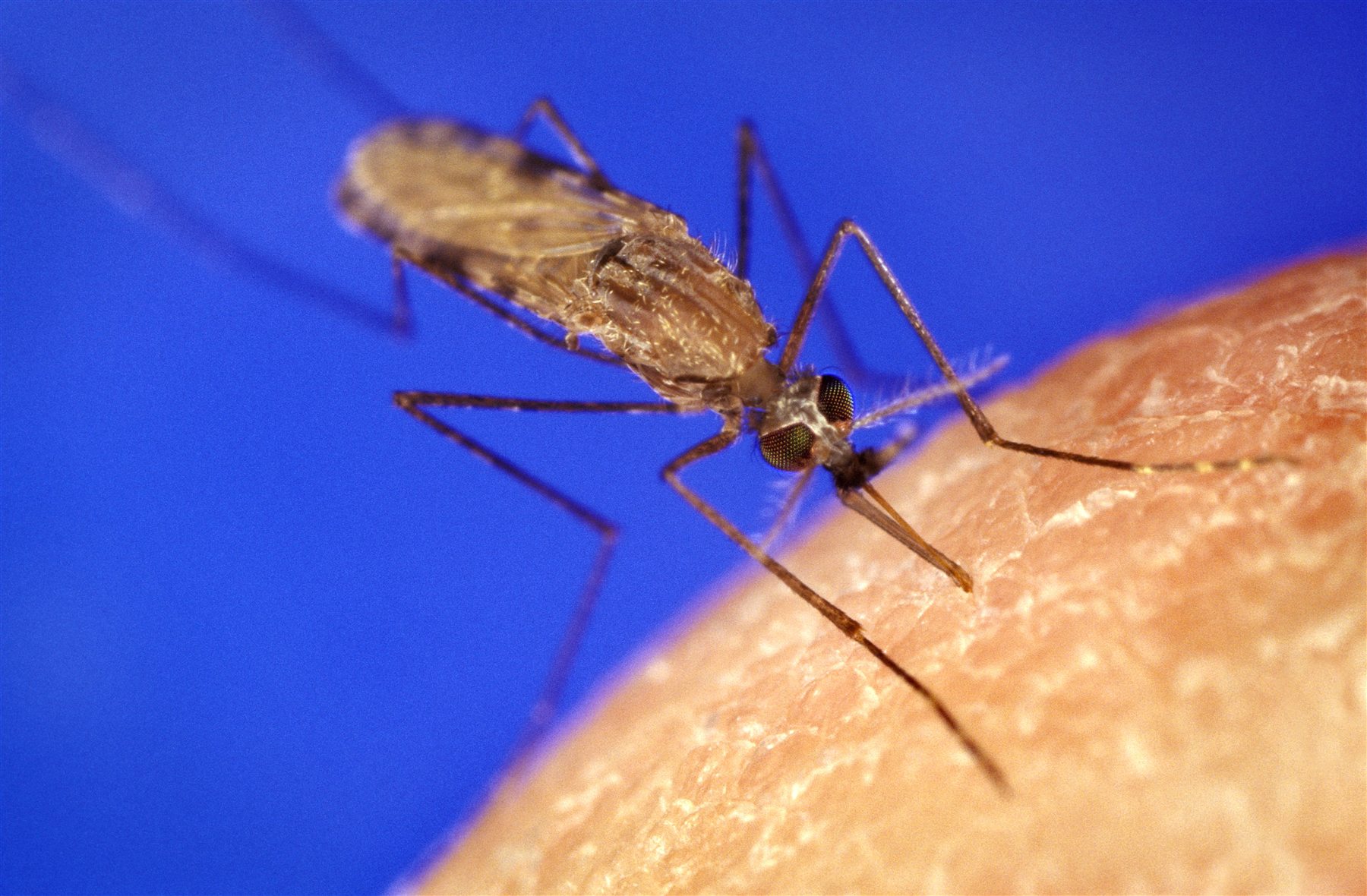
Anopheles is a worldwide mosquito genus with species native to the United States. Adults can often be distinguished by their angled resting posture. Their larvae lack the long breathing siphon seen in many other mosquito groups and lie close to the water surface.
Depending on the species, larvae may develop in sunlit pools, marshes, seepage areas, rice fields, hoofprints, or other shallow water. It is more accurate to inspect the actual habitat than to assume they use only perfectly clean water.
Only Anopheles mosquitoes can transmit human malaria parasites, but simply seeing an Anopheles mosquito does not mean malaria is circulating. Most U.S. malaria cases are associated with travel, although locally acquired cases can occasionally occur.
A mosquito becomes infectious only after feeding on a person carrying transmissible malaria parasites and after the parasite completes development inside the mosquito.
Remove unnecessary standing water, maintain pools and drainage, and keep vegetation manageable. Screens, EPA-registered repellents, and protective clothing help reduce bites when these mosquitoes are active.
Find breeding water, shaded resting habitat, drainage problems, and the places mosquito activity affects you most.
Species, timing, weather, neighboring pressure, and sensitive areas should shape the plan.
Explore services →Weekly source reduction and personal bite protection support any professional treatment.
Request an estimate →Products should be selected and applied according to their labels. Tell us about pets, beehives, butterfly gardens, edible plants, ponds, play areas, or other sensitive locations so treatment timing and placement can be planned responsibly.
Keep people and pets out of treated areas for the time specified on the label and follow all preparation and re-entry instructions.
Several Anopheles species occur in the United States. Their presence alone does not indicate that malaria is being transmitted.
Adults often rest with the abdomen angled away from the surface, and females have long palps near the proboscis. Identification to species usually requires an expert.
A yard treatment may reduce mosquito activity, but it cannot guarantee disease prevention. Bite avoidance and appropriate medical care remain important.
Public-health guidance changes. Follow current local, state, and federal recommendations. This page is educational and is not medical advice.
Call or email for a free estimate. We’ll recommend an approach that fits your property.