Inspect the Property
Find breeding water, shaded resting habitat, drainage problems, and the places mosquito activity affects you most.
Pest Education • DFW Mosquito Control
Culex mosquitoes are common evening and nighttime biters in North Texas. Learn where they breed, how West Nile virus cycles between birds and mosquitoes, and what reduces risk around a home.
Reviewed and updated June 2026
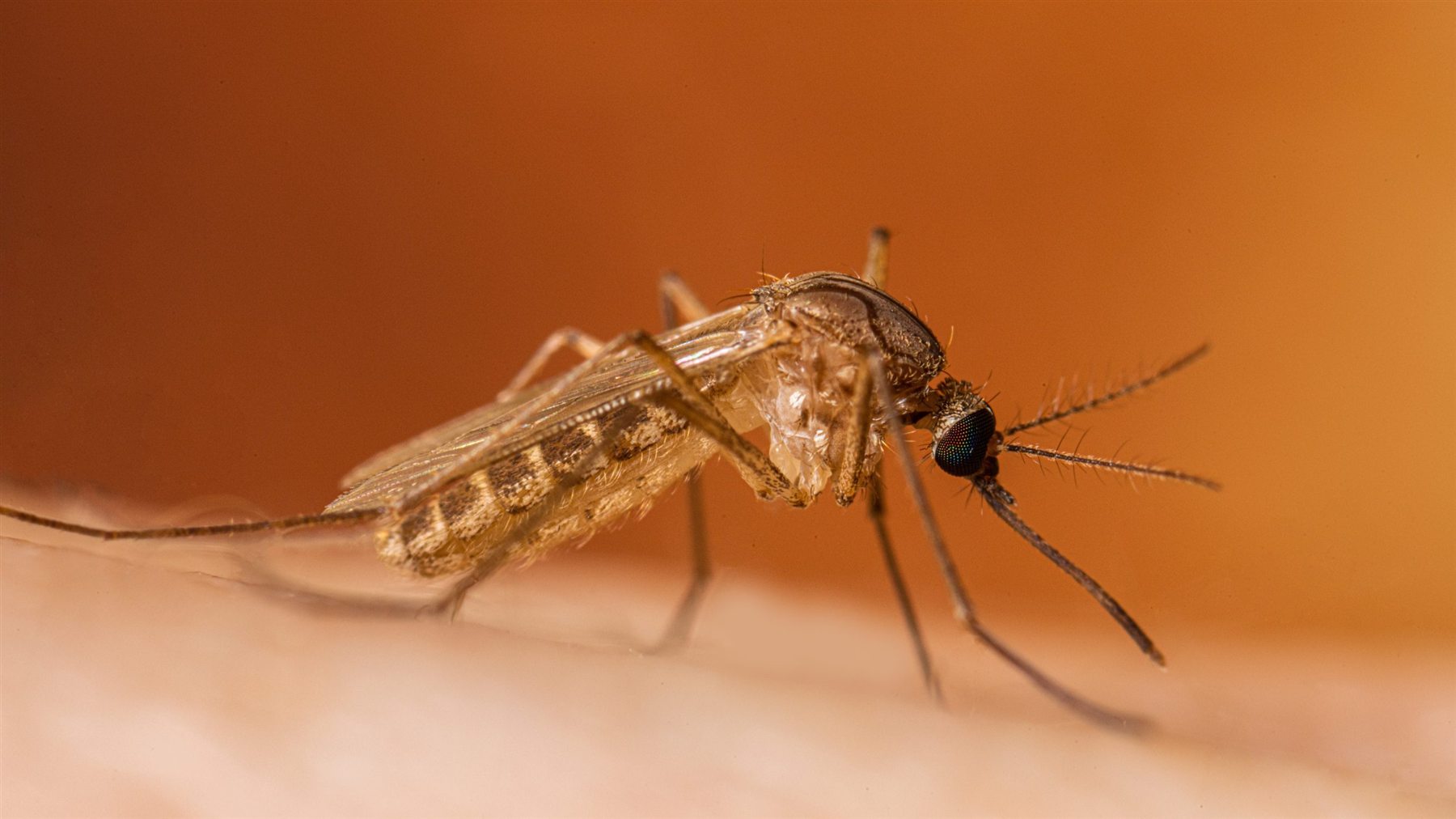
Learn how Culex mosquitoes breed, when they bite, their connection to West Nile virus, and how to reduce them around a DFW property.
Culex is a large genus that includes several mosquitoes found in Texas. Females commonly feed on birds, but some species also bite people and other mammals.
They usually lay clusters of eggs called rafts directly on standing water. Storm drains, neglected pools, clogged gutters, containers, and low spots that hold water can all contribute to local production.
West Nile virus is maintained mainly in a bird-mosquito cycle. People and horses can become infected after a bite from an infected mosquito, but they do not ordinarily spread enough virus back to mosquitoes to continue the cycle.
Most infected people do not develop symptoms. Anyone with concerning symptoms after a mosquito bite should contact a healthcare professional; severe neurologic symptoms require prompt medical attention.
Start with water management. Empty or refresh containers weekly, keep pools maintained, clear gutters, and address drains or low areas that repeatedly hold water.
Because adult Culex often rest in shaded vegetation during the day, a professional inspection should look at both breeding sources and resting areas.
Find breeding water, shaded resting habitat, drainage problems, and the places mosquito activity affects you most.
Species, timing, weather, neighboring pressure, and sensitive areas should shape the plan.
Explore services →Weekly source reduction and personal bite protection support any professional treatment.
Request an estimate →Products should be selected and applied according to their labels. Tell us about pets, beehives, butterfly gardens, edible plants, ponds, play areas, or other sensitive locations so treatment timing and placement can be planned responsibly.
Keep people and pets out of treated areas for the time specified on the label and follow all preparation and re-entry instructions.
No. A mosquito must first acquire the virus from an infected bird. Local infection rates vary, so preventing bites and reducing standing water remain sensible precautions.
They use many standing-water habitats, including containers, stormwater structures, neglected pools, and water rich in organic material.
No treatment can promise zero risk. Source reduction, personal protection, screens, and carefully targeted professional control work together to reduce exposure.
Public-health guidance changes. Follow current local, state, and federal recommendations. This page is educational and is not medical advice.
Call or email for a free estimate. We’ll recommend an approach that fits your property.