Inspect
Find where the pest is entering, breeding, or harboring on the property.
Pest Education • DFW Pest Control
Millipedes feed on decaying matter outdoors but migrate indoors in large numbers after heavy rain. Learn how to keep them out.
Reviewed and updated June 2026
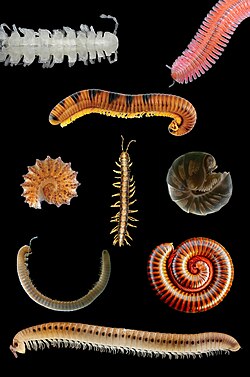
Millipedes are harmless decomposers that wander indoors after rain or drought. Exclusion and reducing damp organic matter control them.
Millipedes are slow, rounded, many-legged arthropods that curl into a coil when disturbed. Unlike centipedes, they are not predators; they feed on decaying plant material in moist soil, mulch, and leaf litter.
They are harmless but can migrate indoors in large numbers, especially after heavy rain or, conversely, during drought, seeking better moisture conditions.
Millipedes depend on damp organic matter, so control reduces moisture and harborage near the foundation and seals entry points.
Find where the pest is entering, breeding, or harboring on the property.
Match the approach to the pest and conditions, not just the ones you see.
Explore services →Reduce moisture, food, and entry points so the problem does not come back.
Request an estimate →Treatments are selected and applied per their labels. Tell us about children, pets, edible gardens, beehives, and other sensitive areas before service, and follow all preparation and re-entry instructions. More on pet- and pollinator-conscious treatment →
No. They do not bite or damage homes. They are a nuisance when they migrate indoors in large numbers, and they dry out and die quickly inside.
Heavy rain or drought drives mass migrations as they seek better moisture, pushing them through gaps near the foundation.
Reduce damp mulch and debris near the foundation, improve drainage, seal entry points, and treat the perimeter during migration periods.
Guidance changes over time. Follow current product labels and local recommendations. This page is educational and is not medical advice.
Call or email for a free estimate. We’ll recommend an approach that fits your property.