Pest Education • DFW Pest Control
Pill Bugs in DFW
Pill bugs, or roly-polies, are harmless decomposers that wander in from damp areas. A little moisture control is all it takes.
Reviewed and updated June 2026
At a Glance
Pill bugs are harmless moisture-loving crustaceans that break down decaying matter. They dry out quickly indoors, so exclusion and drying suffice.
Quick Facts
- What: Land crustaceans; roll into a ball
- Lives: Damp mulch, soil, leaf litter, under objects
- Eats: Decaying plant matter
- Concern: Harmless nuisance; dries out indoors
What Are Pill Bugs?
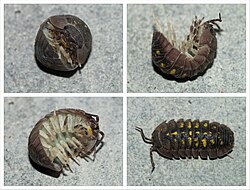
Pill bugs, commonly called roly-polies, are not insects at all but land crustaceans, related more closely to crabs than to beetles. They roll into a tight ball when disturbed.
They are completely harmless: they do not bite, sting, or damage homes. They feed on decaying plant matter and need moisture, so they live in damp mulch, soil, leaf litter, and under stones and objects.
Do Pill Bugs Need Control?
Pill bugs occasionally wander indoors from damp areas, but they dry out and die quickly inside and pose no threat. Simple moisture and exclusion steps are all that is needed.
- Move mulch, leaf litter, and debris back from the foundation.
- Improve drainage so soil near the house is not constantly damp.
- Seal door sweeps, weep holes, and foundation gaps.
- No broad treatment is needed for these harmless decomposers.
Treatments are selected and applied per their labels. Tell us about children, pets, edible gardens, beehives, and other sensitive areas before service, and follow all preparation and re-entry instructions. More on pet- and pollinator-conscious treatment →
Common Questions
Are pill bugs harmful?
No. Pill bugs do not bite, sting, or damage homes. They are harmless decomposers that simply wander in from damp areas and dry out indoors.
Why do pill bugs come inside?
They follow moisture, so damp mulch and soil against the foundation can lead them through gaps, especially after rain. Reducing moisture keeps them out.
How do I keep pill bugs out?
Move mulch and debris off the foundation, improve drainage, and seal entry points. Drying out the perimeter is the key step; no spraying is really needed.
Sources & Further Reading
Guidance changes over time. Follow current product labels and local recommendations. This page is educational and is not medical advice.
Have a Pest Question?
Call or email for a free estimate. We’ll recommend an approach that fits your property.