
Inspect
Examine mattresses, frames, furniture, and nearby cracks for bugs and signs.
Pest Education • DFW Pest Control
Bed bugs hide near where people sleep and hitchhike in on luggage and furniture. Learn how to spot them early and why DIY rarely finishes the job.
Reviewed and updated June 2026
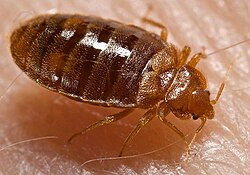
Bed bugs are small biting insects that hide in mattresses, furniture, and cracks near sleeping areas. They are notoriously hard to eliminate without professional treatment.
Bed bugs are small, flat, reddish-brown insects that feed on blood, usually at night. Adults are about the size of an apple seed; young nymphs are much smaller and paler.
They do not fly or jump. Instead they hitchhike in on luggage, used furniture, bags, and clothing, then hide within a few feet of where people sleep or sit for long periods.
Bed bugs are secretive, so early infestations are easy to miss. Knowing the signs helps catch a problem before it spreads.
Bed bugs resist many over-the-counter products and hide in places sprays do not reach, so DIY efforts often spread them. Effective control usually combines a careful inspection with targeted professional treatment.
Examine mattresses, frames, furniture, and nearby cracks for bugs and signs.
Targeted professional treatment reaches the hiding spots DIY misses.
Explore services →Follow-up checks confirm the bed bugs are gone, not just reduced.
Request an estimate →Treatments are selected and applied per their labels. Tell us about children, pets, edible gardens, beehives, and other sensitive areas before service, and follow all preparation and re-entry instructions. More on pet- and pollinator-conscious treatment →
No. Bed bugs are about access to hosts, not cleanliness. They are brought in on luggage, furniture, and belongings and can appear in spotless homes and hotels alike.
Light, very early cases sometimes respond to thorough laundering and isolation, but established infestations usually require professional treatment because the bugs hide where sprays cannot reach.
Inspect hotel mattresses and headboards, keep luggage off beds and floors, and inspect or avoid secondhand furniture before bringing it inside.
Guidance changes over time. Follow current product labels and local recommendations. This page is educational and is not medical advice.
Call or email for a free estimate. We’ll recommend an approach that fits your property.