Inspect the Property
Identify shaded harborage, pet resting areas, wildlife pathways, and the spots where bites occur most.
Pest Education • DFW Pest Control
Fleas move between pets, wildlife, yards, and homes, and most of an infestation is hidden in eggs and larvae you never see. Learn how the flea life cycle works and what reduces them around a property.
Reviewed and updated June 2026
Learn how fleas infest yards and homes, why pets and wildlife spread them, the health risks, and how to reduce fleas around a DFW property.
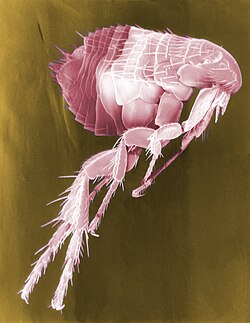
Fleas are small, wingless biting insects that feed on the blood of mammals. The cat flea is by far the most common species affecting dogs and cats in Texas, and it readily bites people as well. Adult fleas you see on a pet are only a small fraction of the problem.
Most of a flea population exists as eggs, larvae, and pupae hidden in carpet, pet bedding, furniture, and shaded outdoor soil. This is why a flea problem can seem to explode and why it often takes weeks of consistent effort to bring under control.
Understanding the life cycle explains why single treatments rarely work. Eggs laid on a pet fall off into the environment, larvae develop in protected debris, and pupae can stay dormant in their cocoons until a host passes by.
Effective flea control attacks the problem in three places at once: the pet, the home, and the yard. Skipping any one of them usually allows the population to rebuild.
Outdoors, fleas concentrate in shaded, humid areas where pets and wildlife rest rather than in open, sunny turf. A targeted yard treatment focuses on those harborage areas.
Identify shaded harborage, pet resting areas, wildlife pathways, and the spots where bites occur most.
Yard conditions, pet routines, and sensitive areas should shape the plan, alongside veterinary pet care.
Explore services →Repeat treatment and consistent cleaning over several weeks interrupt the life cycle.
Request an estimate →Products should be selected and applied according to their labels. Tell us about pets, beehives, butterfly gardens, edible plants, ponds, play areas, or other sensitive locations so treatment timing and placement can be planned responsibly. On-animal flea products should come from your veterinarian, not yard treatments.
Keep people and pets out of treated areas for the time specified on the label and follow all preparation and re-entry instructions.
Flea eggs, larvae, and pupae live in carpet, bedding, and shaded soil, and pupae can resist treatment. Lasting control needs pet treatment from a veterinarian, indoor cleaning, and yard treatment working together over several weeks.
Yes. Wildlife such as feral cats, opossums, raccoons, and rodents can carry fleas into a yard, so shaded, protected areas can hold a population even in homes without pets.
Fleas can cause allergic skin reactions in pets and people and can transmit certain diseases and tapeworms. Reducing them protects both comfort and health.
Guidance changes over time. Follow current product labels and local recommendations. This page is educational and is not medical or veterinary advice.
Call or email for a free estimate. We’ll recommend an approach that fits your property.